

WHAT WE PROVIDE

OT Treatment
Higher frequency occupational therapy treatment (2x/week) provides consistent, neurodivergent-affirming support that prioritizes connection, bottom-up neurodevelopmental strategies, and tailored home programming.
Neuroadaptive Intensive Therapy
Our 10-hour week-long program intensive is a groundbreaking approach supporting children with neurodevelopmental challenges by integrating techniques such as low-level laser therapy, sensory integration, and primitive reflex integration, we can help improve focus, emotional regulation, and cognitive function. This personalized, science-backed therapy helps unlock each child’s potential and enhances their ability to thrive in everyday life. Whole Child offers this internationally saught after approach with the unique addition of an emotionally supportive rabbit and natural outdoor experience as tolerated.

Whole Child Neuroadaptive Camp
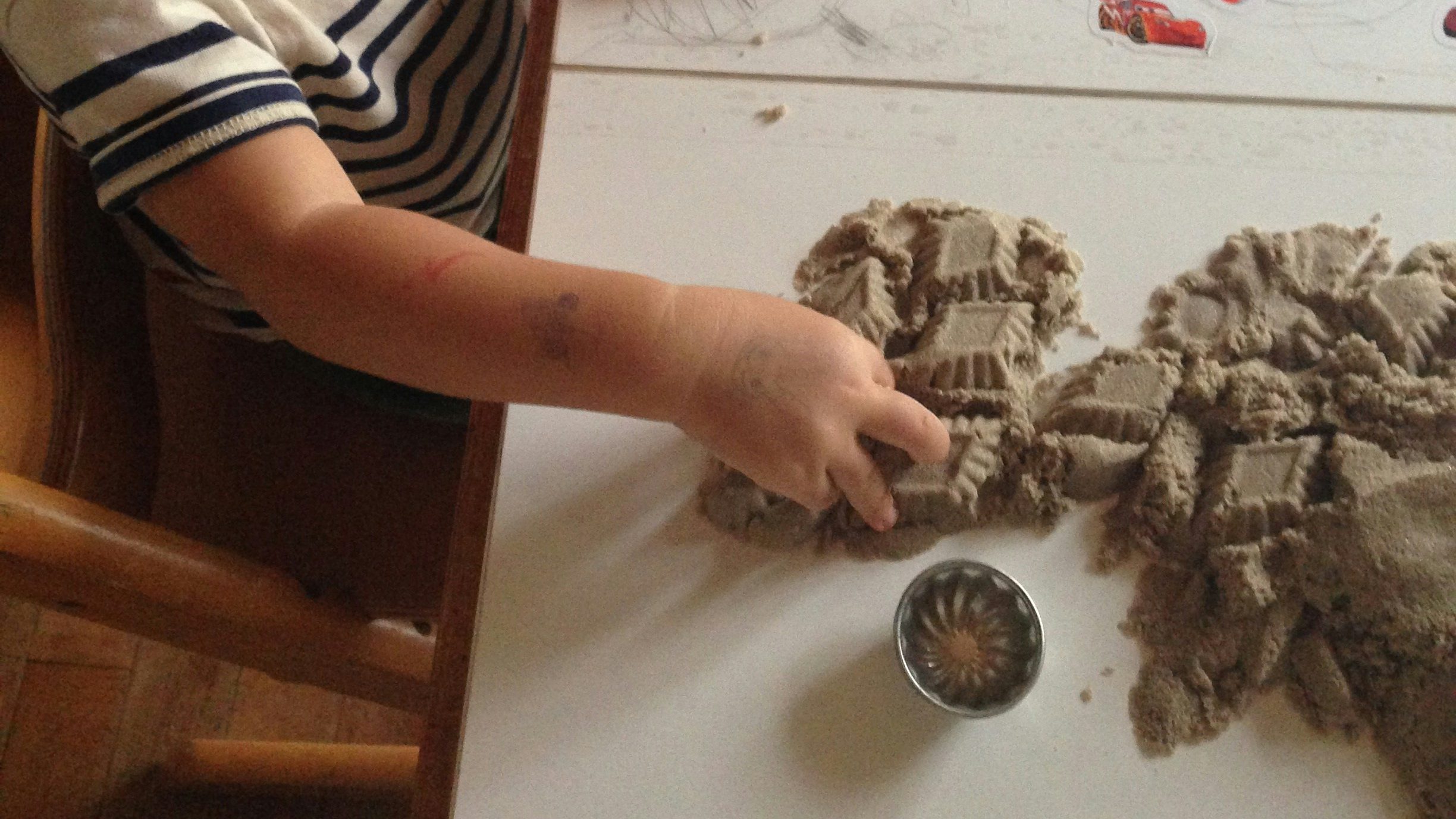
Indoor and outdoor groups with crafts, sensory play, virtual reality interactive activities, low level light therapy, field games, motion sensor and movement tracker balance games, music, nature observation, and rabbit grooming.

Feeding Therapy
Our specialized feeding therapy sessions are designed to address sensory processing and oral motor based feeding challenges to promote more enjoyable mealtime experiences.

Evaluation
Detailed evaluation process to identify functional defecits using standardized testing, primitive reflex testing, sensory processing measure, clinical observations, medical history and parental questionnaire for personalized occupational therapy plans.
Our Approach

At Whole Child Pediatric, our team of experienced occupational therapists is dedicated to supporting children with a wide range of needs, including challenges associated with ADHD, Autism Spectrum Disorder (ASD), intellectual disabilities, dyslexia, emotional regulation difficulties, anxiety, depression, stress, and other child development disorders.
Our approach is rooted in a relational framework, prioritizing genuine connection and building trust with each child and their family. We emphasize play-based interventions, as play is a child’s primary occupation and the foundation for learning, growth, and engagement. By creating safe, supportive, and enjoyable environments, we foster curiosity, confidence, and skill development in ways that are meaningful to each child.
Our process is neurodivergent affirming, celebrating each child’s unique strengths and ways of processing the world. We also take into account different language processing styles, including gestalt language processing, to ensure our interventions align with the child’s natural way of learning and communicating.
Our Service Approach

Bottom-Up Neurodevelopmental Framework: We focus on building strong foundational skills by addressing the body and brain’s lower-level systems—such as sensory processing, reflex integration, and emotional regulation—before working toward higher-level cognitive and behavioral goals. This approach supports children in developing regulation, motor skills, and attention for meaningful participation in daily tasks.
Person-Environment-Occupation (PEO) Model: By considering the dynamic interaction between the child (person), their activities (occupation), and their environment, our therapists provide tailored interventions. We meet children where they are, modify environments when needed, and help them thrive in meaningful occupations, such as play, school participation, and social connection.
Relational and Play-Based Interventions: We believe that strong therapeutic relationships are at the core of successful intervention. Through connection, trust, and playful engagement, we foster curiosity, confidence, and self-regulation skills in each child.

Our therapists bring specialized expertise through training in evidence-based programs, including:
- Sound-Activated Vestibular-Visual Protocol (Astronaut Training): Supports sensory processing and motor coordination through vestibular and visual integration.
- Therapeutic Listening: A sound-based intervention to improve sensory processing, attention, and emotional regulation.
- The SOS Approach to Feeding: An effective program for addressing feeding challenges and picky eating using a sensory-based approach.
- Neuroadaptive Therapy: Supports nervous system regulation through innovative therapeutic techniques.
Who We Support

Our therapists specialize in helping children who experience:
- Attention and focus challenges
- Sensory, cognitive flexibility, and social difficulties
- Delays in motor, cognitive, and emotional development
- Learning challenges like dyslexia
- Difficulty with emotional regulation and coping skills
- Anxiety, depression, and stress-related symptoms
- Impacts from retained primitive reflexes and sensory processing disorders
Neurodivergent Affirming
At Whole Child Pediatric, we recognize and honor the diversity of neurodivergent experiences. By supporting each child’s unique processing style, including gestalt language processing, we create an inclusive and empowering environment where children feel seen, heard, and valued.
At Whole Child Pediatric, we nurture the whole child—mind, body, and relationships—through evidence-based, compassionate, and playful interventions. By combining expertise with connection, we help children participate fully in the activities they love and need.
Daily Living Skills
Enhance your child’s independence with our Daily Living Skills therapy, focusing on essential activities like dressing, grooming, and self-care, promoting confidence and self-sufficiency in everyday tasks.
Functional Motor Skills & Coordination
Improve your child’s Functional Motor Skills and Coordination with targeted exercises and activities designed to enhance balance, strength, and motor planning, supporting better physical function and play.
Social Engagement
Boost your child’s Social Engagement skills through interactive therapy sessions that encourage communication, cooperation, and relationship-building, fostering positive interactions and friendships.
Sensory Processing
Our Sensory Processing therapy helps children understand and respond to sensory input effectively, reducing sensory overload and improving their ability to engage and focus in various environments.
Regulation & Co-Regulation Strategies
Enhance your child’s ability to manage emotions with our Regulation & Co-Regulation Strategies therapy, teaching skills for self-regulation and fostering supportive interactions for better emotional control, stability and impulse control.
Fine Motor Skills
Refine your child’s Fine Motor Skills with specialized activities aimed at improving hand-eye coordination, dexterity, and precision, essential for tasks like writing, buttoning, and using utensils.
Emotional Awareness
Our focus on emotional awareness helps children understand and manage their emotions, develop sensory based tools, and improve self-regulation, leading to better emotional well-being and resilience.
 Whole Child Pediatric Occupational Therapy